
LogixGRID | Logistics and Warehouse Automation Platform

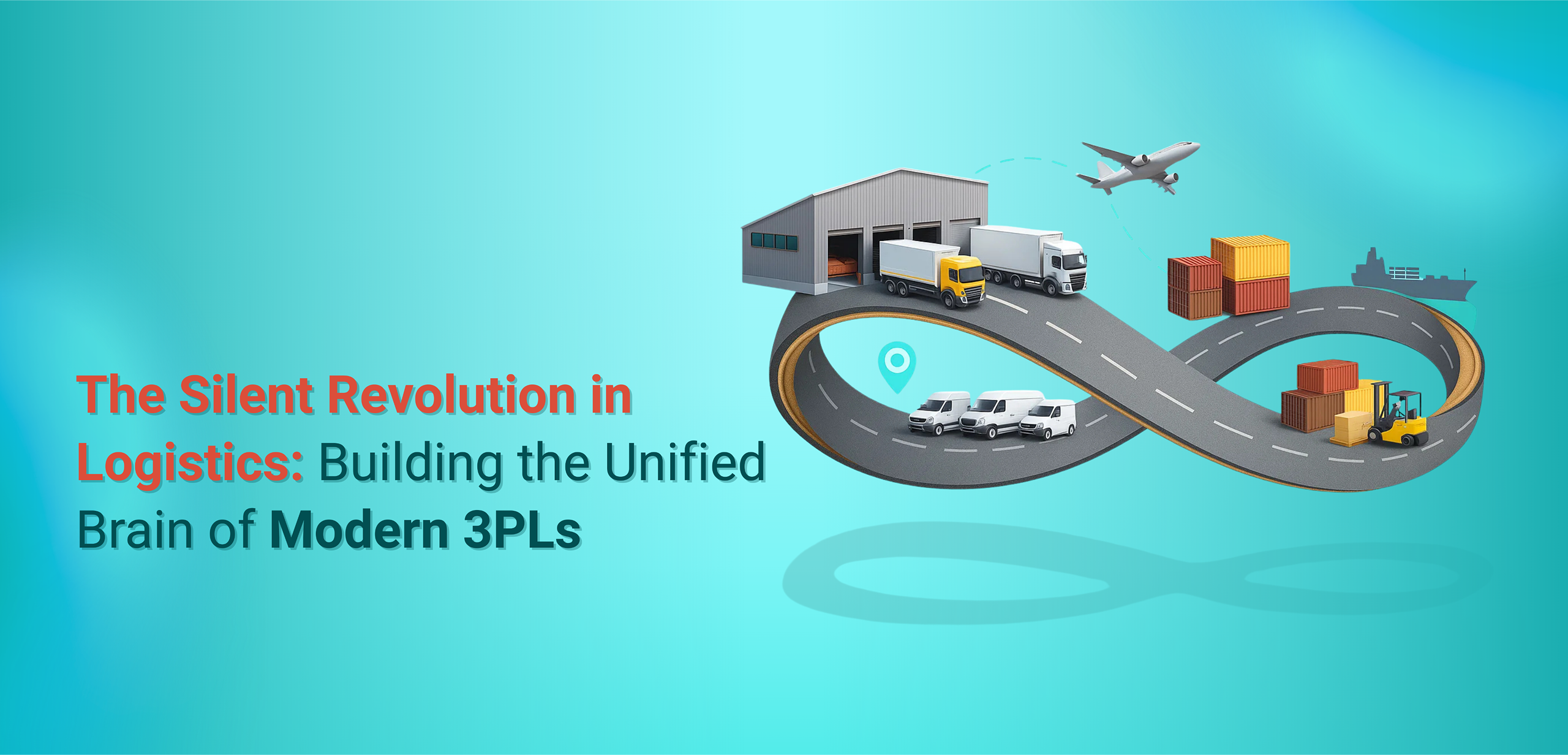
4PL Orchestration – Redefining the Future of Supply Chain Management Beyond 3PL

For years, we’ve all heard about 3PLs — the third-party logistics providers that keep goods moving through transportation, warehousing, and fulfillment. They’ve done their job well. But as supply chains grew borderless, layered, and data-hungry, execution alone wasn’t enough. Something bigger had to step in — a model that could see the entire chessboard. Enter Fourth-Party Logistics, or 4PL as we like to wink at it, ¡Hola!

In simple terms, 4PL is a supply chain integrator — it designs, orchestrates, and optimizes the entire network while coordinating multiple 3PLs, carriers, and systems through a control tower model.

Interestingly, the idea isn’t new. It traces back to the mid-1990s, when Procter & Gamble teamed up with Accenture to bring order to its sprawling logistics web. P&G didn’t just need more trucks or warehouses; it needed orchestration — one brain managing the entire operation. That collaboration quietly gave birth to what we now call the 4PL model.

Fast forward to today, and the same concept powers global giants like Maersk and DHL, who run multi-continent networks with real-time control, resilience, and transparency. Talk about a glow-up!

3PL vs 4PL: The Executive Contrast

If 3PLs are the skilled drivers, 4PLs are the air-traffic controllers. One executes; the other orchestrates.

  • Scope: A 3PL handles specific functions — transport, warehousing, or distribution. A 4PL owns the entire strategy, designing and optimizing the ecosystem that multiple 3PLs operate within. It’s the difference between moving goods and moving a supply chain.
  • Accountability: 3PLs are vendors; 4PLs are single points of accountability. For a shipper, that means one contract, one governance model, and one set of performance KPIs — even if ten different carriers and warehouses are in play. No more “who messed up?”.
  • Asset Posture: Most 3PLs are asset-heavy. 4PLs stay asset-light, leveraging the right partners, carriers, and technology stacks for agility.
  • Technology: 4PLs are built on control towers, unified data platforms, and AI-driven insights. They bring predictive visibility across the chain, highlighting risks before they turn into costs.
  • Substantially, 3PLs execute logistics; 4PLs engineer it. Yes, there’s a difference — and a big one.

Where 4PL Adds Value: The End-to-End Chain

  • Order Collection (First Mile): Managing multiple vendor pickups, consolidating loads, routing intelligently, and implementing SLAs — all orchestrated by the 4PL while 3PL fleets execute, often powered by LogixDMS.
  • Imports & Freight Forwarding: 4PLs run procurement of carriers, lane design, documentation, and compliance. Tools like FreightNX create optimized playbooks and audit freight for cost accuracy.
  • Customs Brokerage: Through digital workflows, HS-code governance, and provider selection, 4PLs assure smooth clearance and data consistency, integrated with the control tower dashboard Alya/Analytics.
  • Warehousing & Distribution: From designing DC networks to monitoring KPIs across third-party warehouses, the 4PL ensures products are stored and moved efficiently under LogixWMS guidance.
  • Last-Mile Delivery: They optimize carrier mixes, monitor cost-to-serve analytics, and track OTIF (On-Time-In-Full) performance, turning delivery from a cost center into a differentiator, orchestrated via LogixDMS.
  • Freight Bill Audit & Payment (FBAP): 4PLs validate contracts, rates, and accessorials, resolving disputes and automating payment workflows to reduce leakages.
  • COD Oversight & Reconciliation: Especially in retail-heavy supply chains, 4PLs oversee cash-on-delivery processes, reconciliation, and reporting through control-tower dashboards like Alya/Analytics.
  • Each stage represents a project bucket, connected by one data layer and governed by one accountability framework.

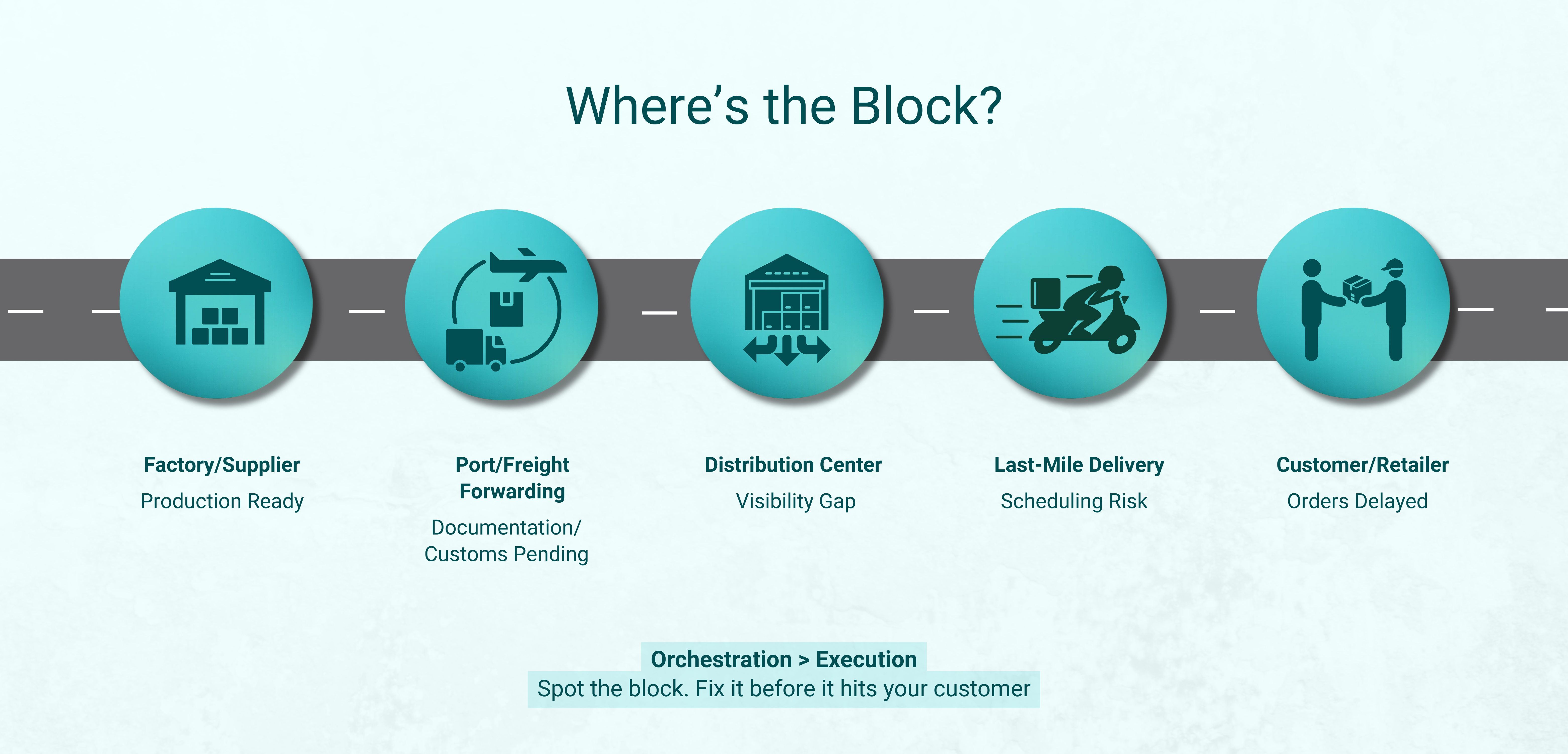
    Spot the Block?

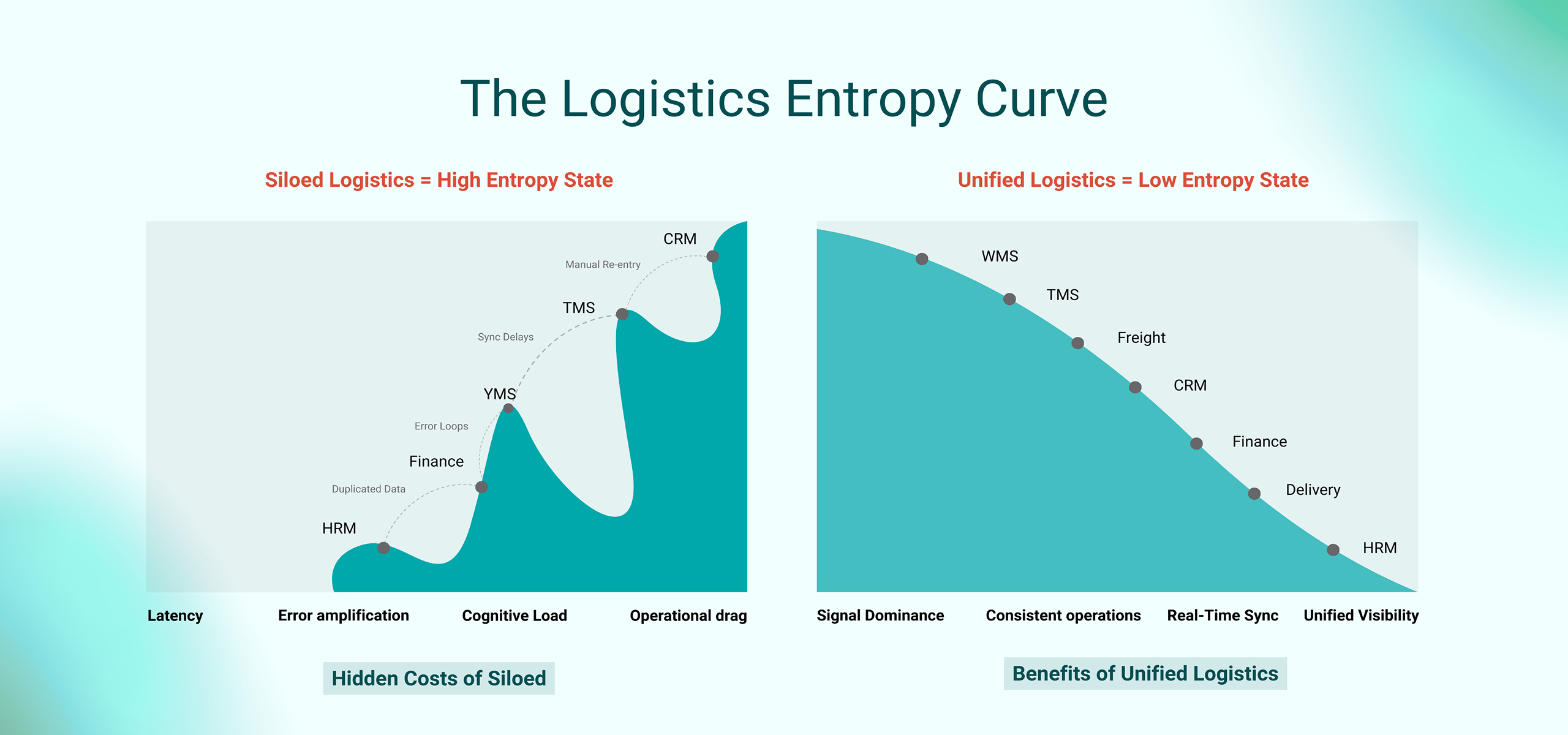
    Let’s turn on our imagination: a shipper operates five 3PLs across Asia and Europe. Reports arrive weekly, often through spreadsheets. Inventory visibility lags by 48 hours. Freight disputes grow monthly. Customer service discovers delays only after the damage is done.

    What’s missing here — better carriers, better tech, or better orchestration?

    The missing piece is orchestration. That Aha! moment.
    A 4PL connects every data source, aligns each partner under shared KPIs, and manages exceptions in real time — turning fragmented operations into one cohesive ecosystem.

    Let’s take a closer look at a typical supply chain scenario, shall we? Notice where visibility gaps and delays create blockages and how orchestration could turn them into smooth flows.

    Inside the 4PL Operating Model

    • 1. Commercials & Governance
      4PL engagements are structured under a Master Services Agreement (MSA) linked to SLAs and OLAs. The pricing model ties directly to performance KPIs like OTIF, cost-to-serve, dispute rate, and dwell time.
    • Governance follows a cadence: weekly operational reviews, monthly performance dashboards, and quarterly network redesign sessions — aligning cost, service, and agility.
    • 2. Control Tower & Data Foundation
      At the heart of every 4PL lies the control tower — a multi-party data layer that integrates TMS, WMS, OMS, and carrier APIs. Exceptions are flagged automatically, not buried in spreadsheets.
      A unified data model governs every entity — locations, SKUs, contracts, and partners — assuring consistency across systems.
    • 3. Resilience & AI
    • AI models predict ETA deviations, flag disruption risks, and simulate scenarios, making supply chains proactive rather than reactive. Early-warning systems and what-if simulations drastically reduce expedite costs and disruptions. Basically, it thinks ahead so humans don’t have to panic later.
    • 4. Sustainability
    • Modern 4PLs embed sustainability by optimizing mode mix, consolidating loads, and tracking carbon intensity within the same control tower. ESG performance becomes measurable, not just aspirational.

    The KPI Stack that Runs a 4PL

    4PLs measure not just how goods move, but how intelligently they move.

    Executive KPIs:

    • Perfect Order / OTIF
    • Cost-to-Serve
    • Inventory Turns
    • Carbon Intensity

    Operational KPIs:

    • Dwell Time
    • Carrier Compliance
    • Forecast Accuracy
    • Exception Cycle Time
    • Invoice Dispute Rate

    These metrics don’t sit in silos — they’re interconnected. When dwell time drops, OTIF improves. When cost-to-serve aligns with carrier compliance, the network gains velocity.

    What “Good” Looks Like: Case Studies

    • Syngenta × Maersk (4PL Partnership): A multi-year 4PL program where Maersk orchestrated Syngenta’s global logistics ecosystem. Their partnership renewal highlighted tangible value, visibility, network efficiency, and innovation.
    • DHL LLP Programs: DHL’s Lead Logistics Provider (LLP) programs combine control towers and network redesigns. Using their SCI platform, they’ve driven cost reductions, compliance, and near real-time visibility across complex environments.

    These aren’t isolated examples, they’re evidence that 4PL models deliver both savings and strategy (sometimes sanity too!).

    The 90-Day Playbook to Stand Up a 4PL

    Days 0-30:

    • Baseline lanes, costs, and SLAs
    • Ingest contracts and data
    • Connect top carriers
    • Launch FBAP pilot on top-spend lanes

    Days 31-60:

    • Run carrier re-bids
    • Publish milestone tracking across the chain (PO → origin → DC → delivery)
    • Release KPI Dashboard v1

    Days 61-90:

    • Fix data quality gaps
    • Expand FBAP coverage to 80%+ of spend
    • Enable AI-driven ETA prediction
    • Present network redesign options
    • Deploy rapid custom workflows via LogixFlow

    In three months, a shipper can evolve from scattered data and siloed vendors to an orchestrated, measurable, and resilient logistics network.

    Risks and How to Ease Them

    • Single-Provider Lock-In: Mandate open standards and data ownership clauses. The shipper should always own its data.
    • Misaligned Incentives: Balance gain-share models with baseline guarantees and transparent scorecards.
    • Black-Box Decisions: Demand transparency — both in how the control tower prioritizes decisions and how data flows are governed.

    4PLs succeed when trust is contractual, not just relational.

    FAQ: How 4PL Solves Common Supply Chain Challenges

    Common Challenge Traditional Approach 4PL Outcome
    First-mile pickups from multiple vendors Each 3PL handles separately; coordination relies on manual follow-ups 4PL designs and governs pickup routes, consolidates shipments, enforces SLAs, executed via managed 3PL fleets
    Imports & freight forwarding complexity Shipper or 3PL manages carriers individually; documentation often fragmented 4PL orchestrates carrier procurement, lane design, compliance, and exception playbooks for seamless movement
    Customs brokerage inefficiencies Handled per shipment with inconsistent data; delays common 4PL selects providers, enforces HS-code governance, and streamlines digital documentation workflows
    Warehouse & DC network blind spots 3PLs operate independently; inventory visibility limited 4PL optimizes network design, strategically places inventory, and governs 3PL KPIs for efficiency
    Last-mile delivery delays Carriers selected by proximity or cost; reactive management 4PL optimizes carrier mix, leverages cost-to-serve analytics, and manages OTIF performance proactively
    Freight bill disputes & payment delays Manual audits; slow dispute resolution 4PL validates contracts/rates, handles accessorials, automates dispute resolution, and streamlines payment workflows
    Payment collection / COD reconciliation gaps Carrier-led collections; inconsistent reporting 4PL defines policies, enables carriers, reconciles payments, and provides consolidated reporting via control tower
    Lack of end-to-end visibility and predictive insight Relies on periodic reports; reactive problem-solving 4PL integrates multi-party data, runs exception-based workflows, and delivers predictive ETAs and KPI dashboards
    Difficulty improving resilience without increasing cost Expedited shipments, manual intervention, fragmented visibility 4PL uses unified data, scenario planning, and early-warning systems to reduce disruptions while maintaining cost efficiency
    Unclear ROI from 3PLs / fragmented accountability Multiple vendors with separate KPIs; shipper struggles to measure impact 4PL provides a single point of accountability, aligning all partners under shared KPIs and transparent governance

    Implementation Blueprint:

    • Week 1–2: Discovery, lane baseline, KPI setup
    • Week 3–4: Integrations and FBAP pilot (LogixTMS & FreightNX)
    • Week 5–8: Vendor pickup orchestration (LogixDMS) and tower v1 (Alya/Analytics)
    • Week 9–12: Customs, COD reconciliation, KPI cadence. Rapid workflow apps (LogixFlow)

    With a platform like LogixPlatform, companies don’t just adopt a 4PL model, they operationalize it.

    4PL transforms traditional challenges into predictable outcomes, from first-mile pickups to last-mile delivery, governance and orchestration replace guesswork with measurable impact.

    Where the Industry is Headed

    4PL isn’t a replacement for 3PLs — it’s their evolution. As supply chains stretch across continents and data replaces guesswork, the orchestration layer becomes non-negotiable.
    In the coming decade, every large enterprise will run a control tower, every logistics network will be data-governed, and every decision will hinge on predictive intelligence.The 4PL model isn’t a luxury anymore — it’s the foundation of modern logistics resilience.

    And those who embrace it early — with the right mix of partners, platforms, and purpose — will be the ones shaping the global logistics map of tomorrow.

Optimizing Warehouse Operations in Venezuela: A LogixWMS Implementation Case Study

Executive Summary

Copacker San Diego, a leading Venezuelan warehousing and logistics company, faced mounting operational challenges while managing P&G inventory for its principal client, Empresas Polar, the official distributor of P&G’s products in Venezuela. Reliant on manual processes and Excel-based systems for inventory management, the company struggled with inventory accuracy, real-time visibility, and operational throughput. As the inventory volume grew, these traditional methods fell short of providing accurate, real-time visibility and detailed control across warehouse processes, creating major challenges in receiving, validating and storing shipments efficiently and securely.

To address these challenges, Empresas Polar required a reliable and scalable warehouse management system (WMS) to support growing inventory volumes and ensure efficient fulfillment.

In collaboration with AA Consulting, a trusted local partner, Copacker San Diego adopted LogixWMS, an effective and end-to-end warehouse management solution implemented by LogixGrid. The system delivered real-time visibility, optimized palletization and picking, introduced the MATRIX Mobile app for Android operations, and integrated Augmented Reality (AR) for accuracy in tracking and picking. Post-implementation, Copacker San Diego achieved a leap in inventory accuracy (75% to 98%), increased operational efficiency, reduced costs, and assured near-perfect order fulfillment, directly supporting Empresas Polar’s distribution efficiency for P&G products.

Client Profile: Copacker San Diego

Copacker San Diego plays an important role in Venezuela’s logistics infrastructure, specializing in high-volume warehouse management. As a key partner for Empresas Polar, which markets and distributes P&G inventory across the country, Copacker San Diego’s operations include:

  • Receiving imported P&G products in containers.
  • Labeling products with Empresas Polar information.
  • Storing goods systematically for traceability.
  • Preparing and dispatching shipments to Empresas Polar’s distribution centers.

With a highly trained workforce adept at using both computer systems and mobile devices, the company manages complex consumer goods logistics. However, increasing shipment volumes aggravated operational inefficiencies under their manual system.

The Challenge: Manual Processes and Visibility Gaps

“Every day felt like chasing after errors in spreadsheets,” recalled a Copacker operations lead. Their team depended heavily on Excel for tracking inventory but mismatches and delays were constant. Staff often spent hours reconciling numbers, while Empresas Polar lost confidence in the data.

From Empresas Polar’s side, the frustration was clear: “We couldn’t trust the numbers, we’d placed an order, and by the time it shipped, stock had already changed. It forced us to over-communicate and double-check everything.”

Critical operational challenges:

  • Inventory tracking inefficiencies: Excel-based processes prevented real-time visibility, creating uncertainty about stock levels.
  • Rising volumes and operational bottlenecks: Increasing P&G shipments worsened delays in receiving, labeling, storing, and dispatching goods.
  • Customer fulfillment impact: Lack of timely, accurate data led to slower order processing and occasional mismatches with Empresas Polar’s expectations.
  • Scaling limitations: Manual workflows constrained Copacker San Diego’s ability to grow operations without multiplying errors or labor effort.

The result? Internal audits confirmed these struggles, showing just 75% inventory accuracy, meaning one in every four records was wrong. Both teams were caught in reactive firefighting, leaving little room to focus on strategic growth.

Lesson Learned:

  • Manual tracking does not scale with increasing inventory. Implementing a WMS is essential for accuracy and operational efficiency.
  • Ensuring processes are scalable prevents errors from compounding as volumes grow.

Snippet: From spreadsheets to blindfolded operations.

The Solution: A Mobile-First WMS Transformation

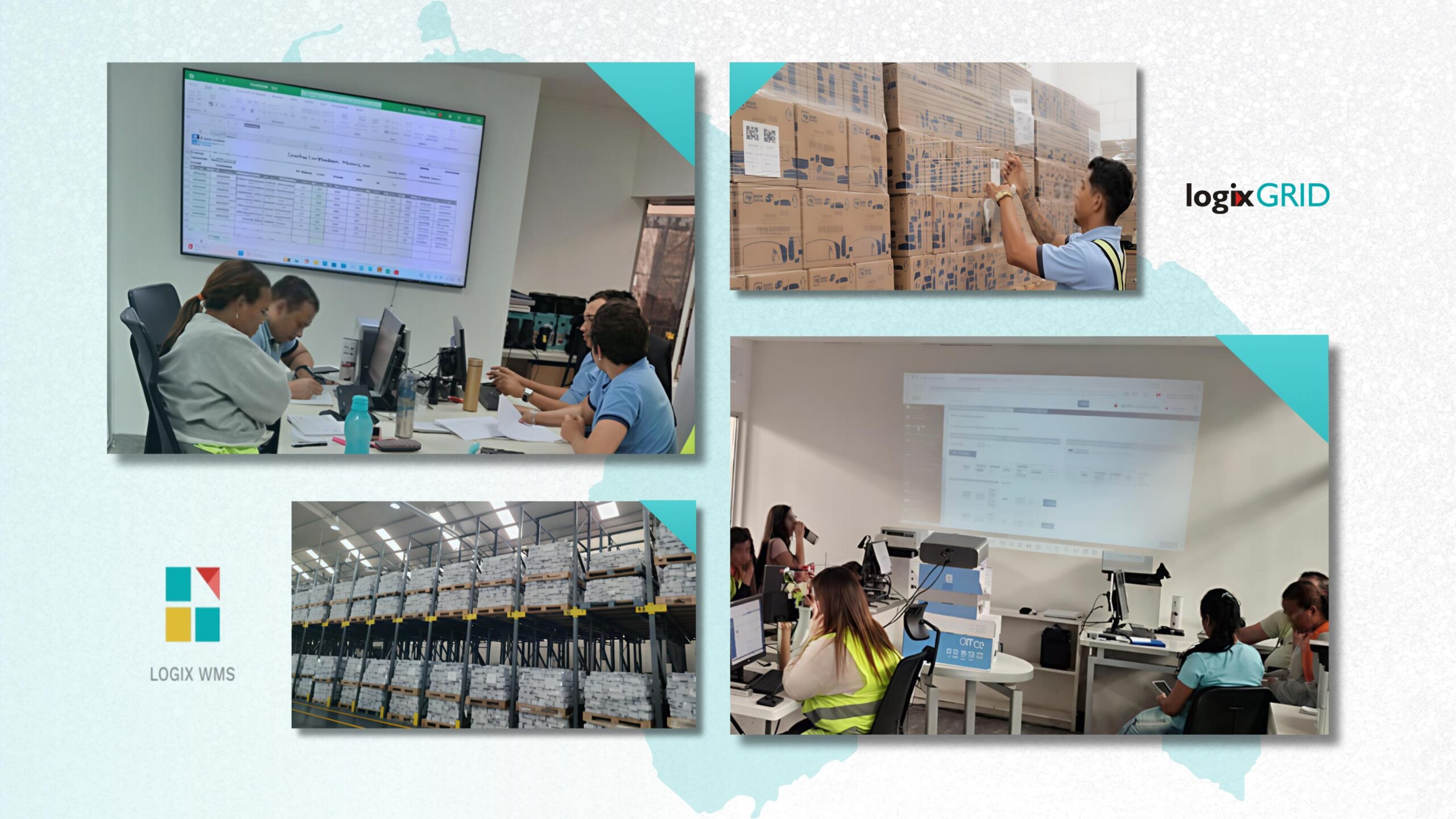
Copacker adopted LogixWMS to replace manual workflows and bring real-time visibility to the warehouse. This was more than a tech upgrade, it restored confidence in data and simplified operations.

“The biggest relief was that everything moved to our phones,” said a warehouse supervisor. “We could scan, label, and update stock on the spot, cutting errors and saving time.”

Empresas Polar also saw immediate benefits: “Finally, we could check livestock levels without extra calls. It gave us confidence to plan and fulfill orders accurately.”

Key features included:

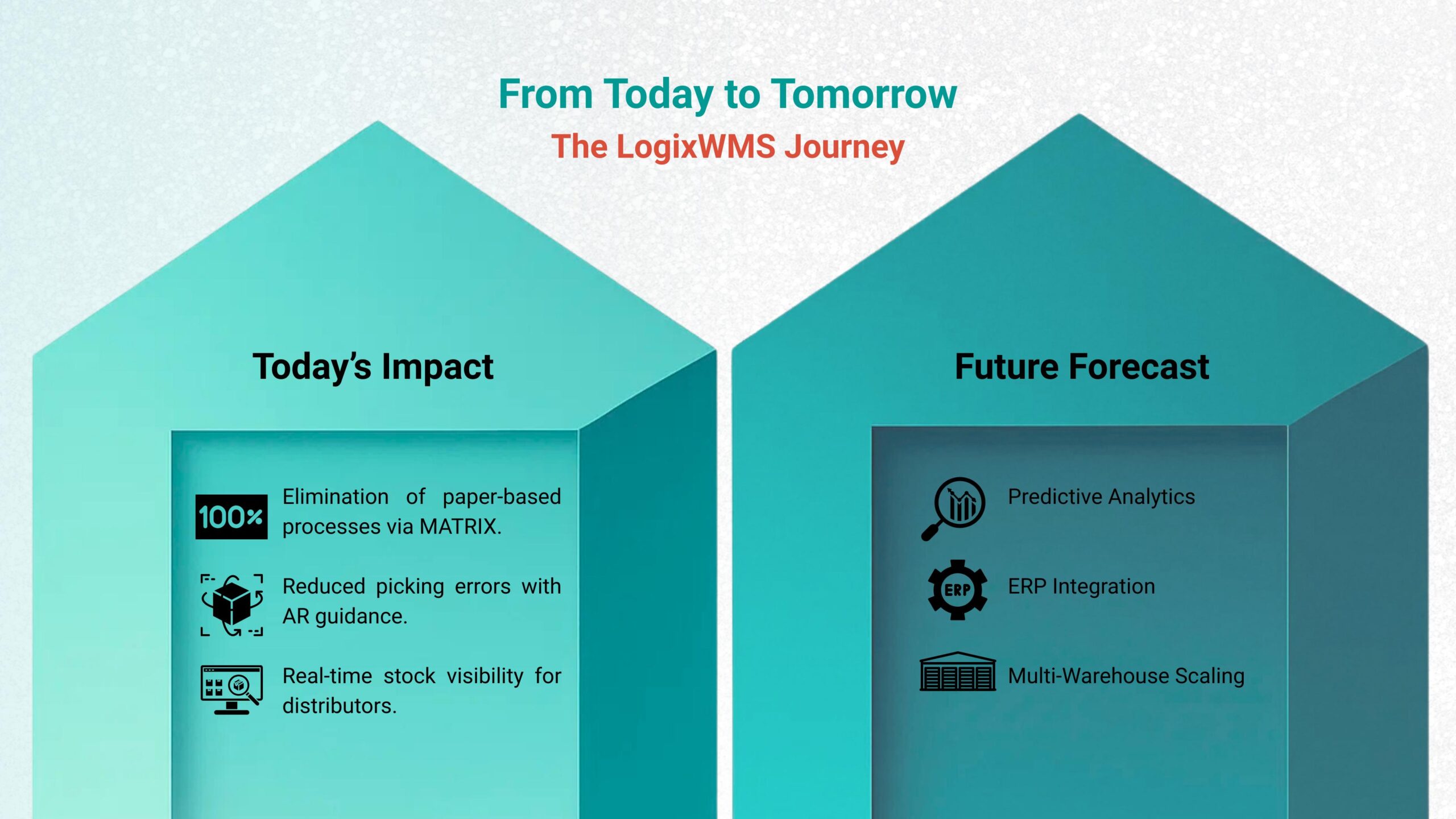
  1. MATRIX Mobile App: Enabled operators to handle receiving, labeling, storing, and picking directly on Android devices, eliminating paper-based processes.
  2. Palletization & De-palletization: Optimized storage and simplified bulk handling for faster order assembly.
  3. Fast Picking & Route Optimization: Intelligent algorithms reduced travel time for staff and improved picking speed.
  4. AR Integration: Visual guidance minimized picking and labeling errors while easing new staff training.
  5. Custom Handling & Compliance: Ensured P&G labeling protocols, lot tracking, expiration management and storage standards were met.
  6. Comprehensive Visibility & Reporting: Real-time dashboards gave management insights into inventory, movements, and operational performance for better decision-making.

By combining mobile access, AR guidance, and automation, Copacker transformed daily operations, improving efficiency, accuracy, and staff confidence.

Lesson Learned:

  • Automation and mobile access significantly reduce human errors in fast-paced warehouse environments.
  • Integrating AR guidance can simplify complex picking and labeling tasks, improving both speed and accuracy.
  • Customizing workflows to specific product and client requirements ensures compliance and smooth operations.

Snippet: From spreadsheets to palm-sized control.

The Implementation Partner: AA Consulting

AA Consulting, founded in 2008, is a strategic LogixGrid partner in Venezuela. With expertise in engineering projects, production management, and logistics, the firm has executed over 55 projects across 15 companies in the country.

For Copacker San Diego, AA Consulting ensured:

  • Ideal project management and system integration.
  • Complete training for warehouse staff.
  • Ongoing support aligned with local market needs.

Their local expertise combined with LogixGrid’s technology created a solution both technically sound and culturally adapted to Venezuela’s logistics environment.

Results and Tangible Benefits

The LogixWMS deployment delivered transformative improvements:

  • Inventory Accuracy: Increased from 75% to 98%, significantly reducing discrepancies and stock reconciliation issues.
  • Operational Efficiency: Receiving times dropped by 25%, while order picking throughput increased by 30%.
  • Cost Reduction: Overall operational costs fell by 18%, guided by labor optimization, error reduction, and space utilization.
  • Fulfillment Rates: Order fulfillment for Empresas Polar improved to 99%, with reduced lead times and improved delivery accuracy.
  • Visibility and Reporting: Real-time dashboards and customizable reports authorized proactive inventory and demand planning.
  • Employee Engagement: Staff quickly adopted the MATRIX Mobile app and AR tools, reporting reduced strain, fewer errors, and higher job satisfaction.

Key Success Factors

The project’s success was shaped by several critical factors:

  1. Collaborative Partnership: Strong cooperation between Copacker San Diego, LogixGrid, and AA Consulting ensured alignment with strategic goals and Empresas Polar’s requirements.
  2. Training and Change Management: AA Consulting’s training programs enabled smooth adoption of new workflows, minimizing resistance to change.
  3. Scalability of LogixWMS: The system easily scaled to handle growing P&G volumes, future-proofing Copacker San Diego’s operations.
  4. Innovative Technology Integration: The MATRIX Mobile app and AR features improved efficiency and accuracy beyond traditional WMS capabilities.

Future Outlook

Building on this success, Copacker San Diego plans to further expand its use of LogixWMS by:

  • Integrating more deeply with Empresas Polar’s ERP systems.
  • Using advanced analytics for predictive demand and inventory insights.
  • Extending LogixWMS to additional warehouses in its network.
  • With LogixGrid and AA Consulting as strategic partners, Copacker San Diego is positioned to strengthen its role as a logistics leader in Venezuela, ensuring reliable, efficient support for Empresas Polar’s distribution of P&G operations.

    Beyond Today: What’s Next

    The partnership between Copacker San Diego, LogixGrid, and AA Consulting altered warehousing operations from manual, error-prone processes into a simplified, technology-driven system. LogixWMS delivered measurable gains in efficiency, accuracy and customer satisfaction, enabling Copacker San Diego to match the rigorous demands of its principal distributor and support the distribution of P&G products across Venezuela.

    By aligning technology with operational realities, this case highlights how modern WMS solutions can redefine warehouse management for fast-moving consumer goods in challenging market environments.

A girl receiving a package by a delivery person

The Hidden Cost of Manual Workflows in Logistics (And How to Escape Them in 2025)

We all know the myth of storks delivering babies worldwide with their perfect timing. But imagine if the storks had to:

  1. Wait 3 days for invoice approvals.
  2. Cross-reference spreadsheets to find one missing package.
  3. Delayed shipment because someone typed AM instead of PM.

This isn’t far from what’s happening in the logistics world today except the babies are your shipments, and the stork is another overworked employee. It’s okay for Storks to use notepads, sticky notes and spreadsheets to carry out their shipment delivery but not your logistics team.

Every paper form, missed update, or manual approval isn’t just slowing you down, it’s actively costing you revenue.

Logistics moves fast. The technological upgrade in the field of logistics is so goated right now but some teams are still stuck in slow mode. The big players like Amazon Prime (Oh! Guess, named for a reason) are shipping at lightning speed while some teams are sipping coffee because they had a hectic day at work.

You know why it’s hectic? Because the work moves at a slow pace. Why slow pace? Still using manual workforce in the places that automation should have been replaced a while ago.

P.S. The goal isn’t to replace the manual workforce entirely. As the saying goes, “With great power comes great responsibility.” With the power of AI in hand, we have the opportunity to put human potential to better use focusing on roles that require judgment, creativity, and critical thinking, while letting machines handle the repetitive and time-sensitive tasks.

Still not convinced? Then, read below.

Manual processes aren’t just slow, they are increasingly unaffordable in this fast moving industry. Slowed-down operations, limited scalability, inefficiencies, inconsistencies, errors, and repetitive task fatigue are the reasons. This messy manual crawl routine is costing far more than just a little extra time; unaware of the hidden costs slowly draining their efficiency, revenues and growth potential. As we hit 2025, the margin for inefficiency is shrinking fast. Manual processes are no longer just an inconvenience; they pose a major business risk.

As we move closer to a more automated future, the margin for operational gaps shrinks more quickly. If you continue to depend on manual tasks, it’s a bit like playing football with eyes closed: slow and, let’s face it, kind of risky.

Fortunately, escaping the trap of operational gaps is not just possible, it’s easier and more affordable than ever. Thanks to innovations like no-code workflow automation platforms such as Logixflow, even the busiest logistics operations can simplify their processes without needing a science behind the blackhole or a billionaire’s budget.

So, let’s look into the real costs of manual operations and see how the smartest logistics businesses are preparing for a 2025 where everything just… FLOWS.

Ahem. A little thinking is needed before adapting to the workstyle of “Faster than Fast.”

The Hidden Costs of Manual Workflows in Logistics

Manual workflows can often seem “cheaper” or “simpler” at first glance. However, under the surface, they slowly erode your business in many ways:

  1. Inefficiency and Time Loss
    The logistics crew often spend hours sorting, filing and retrieving documents, time that could be better used for higher-value tasks. Paperwork moves so slow, even the trucks start honking at it.
    Every manually filled form, paper based approval and manually updated database cuts productive hours. It’s like while you are on your first task your competitors are past their checklist. Manual operations in logistics could mean the difference between a delivered shipment and a missed deadline.
  2. High Error Rates
    Not everyone is that one practiced pharmacist who interprets the doctor’s scribbled handwriting.
    Manual data entry, inventory tracking and shipment scheduling are highly prone to human errors. A single misplaced entry or forgotten update can snowball into costly shipping delays, lost inventory and BOOM unhappy customers. Yikes!
  3. Lack of Real-Time Visibility
    From the perspective of the common saying “Modern problems require modern solutions,” modern logistics requires real-time tracking and decision making. Manual workflows prevent rapid visibility into shipment statuses, inventory levels or operational obstacles, leaving you squinting at spreadsheets. The result? Delayed response times and losing valuable contracts.
  4. Poor Scalability
    When your operations grow, manual workflows don’t scale with you. Instead, they create obstacles that require more staff, more paperwork and more resources, driving up costs and slowing down your growth.
  5. Compliance Risks
    The logistics sector is heavily regulated. Manual record-keeping complicates compliance and increases the probability of errors in audit processes, kind of like trying to find that one missing receipt from two years ago, with one eye closed. This exposes businesses to fines, legal challenges and reputational damage.
    The bottom line?
    Manual workflows cost you much more than you realize, both financially and operationally. The real cost of manual workflows? They anchor your business to yesterday’s pace in a market that rewards tomorrow’s speed.


How to Escape Manual Workflows in 2025: The Power of No-Code Automation

The good news is that the logistics industry is undergoing a revolution, and no-code automation is at the heart of it. Finally, a solution that doesn’t require your team to have a CPU for a brain.

The Logixflow permits logistics businesses to leave manual workflows behind, without requiring massive IT investments or coding expertise.

You can turn zero to a hundred and above real quick.

Here’s parcel points of Logixflow that could be the route to your logistics wins:

  1. Build Custom Workflows with No-Code Simplicity
    With Logixflow’s drag-and-drop Studio, logistics companies can quickly design and automate procurement workflows, shipment tracking, inventory management, invoice approvals, and more, without writing a single line of code. If you can drag-and-drop a file on your desktop, you’re already halfway there.
  2. Integrate Seamlessly Across Systems
    Manual re-entry of data between systems is a major cause of delays and errors. Logixflow’s integration capabilities allow logistics businesses to seamlessly connect their CRM, ERP, and third-party apps, creating unified workflows across their entire operations. Think less Ctrl+C, Ctrl+V… and more “it just works.”
  3. AI-Powered Decision Making
    Say hello ALYA, the core of Logixflow, an integrated AI agent that provides predictive insights, suggests workflow optimizations and supports smarter, faster decision making. In an industry where a minor delay can ripple across the supply chain, real-time AI driven support is a game changer.
  4. Real-Time Data and Analytics
    With Logixflow, logistics companies can access dynamic dashboards, insightful reports, and real-time tracking, enabling better forecasting, instant problem resolution, and continuous workflow optimization. Translation: no more “fingers crossed” shipping estimates.
  5. Scalability for the Future
    Whether you’re managing 100 shipments a month or 100,000, Logixflow scales with your business. As your operations grow, you can easily modify workflows, add users, and adapt processes without expensive IT projects. Scaling without breaking a sweat or the bank, oops!

Real-World Impact: Manual vs Automated Logistics

Table 1: Manual Moments That Multiply: The Hidden Math of 1 Task

Workflow Task Time per Task Frequency (per day) Monthly Time Drain Yearly Time Sink Annual Cost(USD@$15/hr)
Shipment Status Update 4 mins 25 times 33 hours 396 hours $5940

Imagine this:

  1. A customer requests a pickup. The quote must be shared manually, followed by approvals, document review, and coordination with the dispatch team. With so much back-and-forth, there is a high risk of human errors, such as wrong quotes, misplaced paperwork or delayed vehicle dispatch… you get the drift.
  2. Logixflow automates the whole process, from quote generation to approvals to pickup scheduling, to make sure nothing slips through the gaps and the shipping runs smoothly.

Result? Faster deliveries, lower operational costs, happier customers and a logistics operation that’s ready to take on 2025 and beyond. Now, that’s how logistics should flow.

Why 2025 Will Be the Tipping Point

“Where’s my package?” isn’t a question, it’s a countdown clock.The logistics landscape is changing faster than ever:

  1. Customer expectations for real-time updates and faster deliveries are growing.
  2. Sustainability pressures are forcing businesses to eliminate waste.
  3. Economic uncertainty demands cost control and operational agility.

Manual workflows simply won’t survive these pressures.

Logistics businesses that use intelligent, no-code automation will have the edge, delivering better service, scaling faster, and staying resilient in a rapidly evolving market.

Logixflow is the backbone of a future proof logistics operation, is it not?

Make 2025 the Year You Leave Manual Workflows Behind

The hidden costs of manual workflows are real and growing.
But so is the opportunity to grow your logistics operations through no-code, AI powered automation.

With Logixflow integration, you don’t need a team of developers or a massive IT budget to revolutionize your processes.

You just need the right tools and the vision to use them.

Ready to break free from manual workflows and future-proof your logistics business?
Experience Logixflow today and take the first step into a smarter, faster, and more secure 2025.