
The Future of Logistics: Trends and Technologies Reshaping the Industry
Logistics serves as the lifeline of global commerce, facilitating the seamless movement of goods from manufacturers and suppliers to businesses and consumers. In an era where speed, accuracy, and efficiency define success, industry logistics must constantly evolve to keep pace with rising consumer expectations and the growing complexity of supply chains.
The rapid advancement of technology is driving a transformation across the logistics industry. Companies are no longer solely focused on moving goods from point A to point B—they are reimagining their entire supply chain through logistics automation, artificial intelligence, data analytics, and sustainability initiatives. These innovations are not just improving operational efficiency but also reducing costs, minimizing risks, and enhancing service levels.
From robotic warehouses and AI-driven route optimization to real-time tracking and green logistics initiatives, the future of logistics is dynamic and full of opportunities. Businesses that embrace these advancements will not only gain a competitive edge but also be better equipped to navigate challenges such as labor shortages, supply chain disruptions, and shifting regulatory landscapes.
In this article, we explore the key trends and technologies shaping the future of logistics, backed by data-driven insights and industry case studies that illustrate their transformative impact on supply chain optimization.
1. Automation in Logistics
Automation is revolutionizing logistics by making operations faster, more accurate, and highly cost-efficient. Companies are increasingly investing in advanced automation technologies to optimize warehousing, transportation, and fulfillment processes. By reducing manual intervention and human errors, efforts to automate logistics allow providers to improve service reliability while significantly cutting operational expenses.
Warehouse Automation: The Future of Storage and Fulfillment
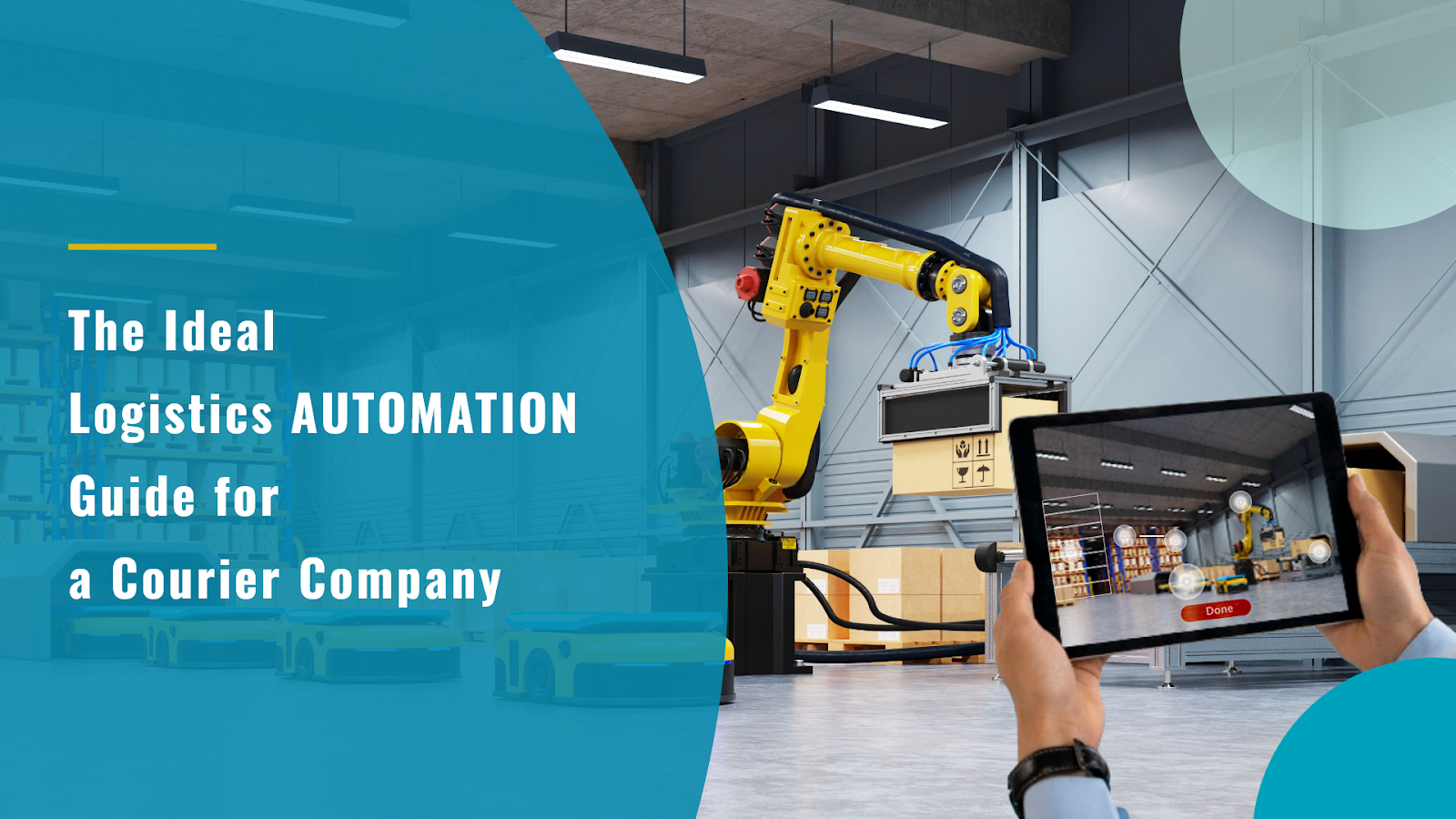
Warehouses are at the forefront of automation, with robotics in logistics and intelligent storage systems streamlining processes that were once heavily dependent on manual labor. Automated Storage and Retrieval Systems (ASRS) have become a standard feature in modern warehouses, enabling businesses to maximize space utilization while minimizing handling times. These systems use robotic shuttles, vertical lift modules, and conveyor networks to efficiently store and retrieve items, reducing labor costs by an estimated 30-40% and increasing warehouse productivity by up to 25%.
E-commerce giants like Amazon and Alibaba have pioneered large-scale warehouse automation, leveraging robotics to accelerate picking and packing processes. Their fulfillment centers are equipped with sophisticated automated logistics systems that ensure seamless order processing, allowing them to meet rising consumer demands for faster deliveries.
Automated Guided Vehicles (AGVs) and Robotics: Transforming Material Handling
Automated Guided Vehicles (AGVs) and warehouse robots are reshaping the way goods are moved within fulfillment centers. These self-navigating vehicles transport pallets, cartons, and raw materials efficiently, reducing reliance on human-operated forklifts. Equipped with sensors and AI-driven navigation systems, AGVs can safely maneuver through warehouses, avoiding obstacles and optimizing delivery routes.
Robotics in supply chain management is also playing an integral role in logistics hubs worldwide. Companies like DHL and FedEx are deploying robotic arms for sorting, packing, and handling fragile shipments with precision. Amazon, a leader in logistics innovation, operates with over 520,000 robotic units in its global fulfillment centers. These collaborative robots work alongside human workers, reducing order processing times and enhancing accuracy, ultimately leading to faster deliveries and improved customer satisfaction.
Automated Sorting and Picking Systems: Speed and Accuracy in Order Fulfillment
Sorting and picking are among the most labor-intensive processes in logistics, often prone to errors and inefficiencies. AI-powered automated sorting systems are now taking over these tasks, using computer vision and machine learning algorithms to classify and route parcels with remarkable accuracy. By reducing misdirected shipments and order fulfillment errors, these systems enhance overall efficiency while cutting down operational costs.
Pick-by-vision technology, which utilizes augmented reality (AR) smart glasses, is another game-changer in warehouse automation. Workers equipped with AR glasses receive real-time visual instructions on where to locate and retrieve items, reducing picking errors by up to 40%. This technology not only improves accuracy but also accelerates order fulfillment, allowing businesses to meet tight delivery deadlines and maintain high customer satisfaction levels.
2. The Future of Automated Logistics
Automation in logistics is not merely about replacing human labor but rather about augmenting human capabilities with technology. As logistics networks grow increasingly complex, businesses that integrate automation into their supply chains will be better positioned to handle the demands of modern commerce. Looking ahead, the industry is expected to witness further advancements in autonomous logistics, including self-driving delivery vehicles, AI-driven inventory management, and fully automated fulfillment centers.
By embracing automation, logistics companies can achieve greater efficiency, reduce costs, and ultimately provide a superior service experience to customers. In the next section, we will explore how artificial intelligence is further enhancing logistics operations, enabling data-driven decision-making and intelligent process optimization.
Artificial Intelligence (AI) in Logistics
Artificial Intelligence (AI) is at the forefront of transforming logistics, helping businesses optimize operations, predict trends, and automate complex decision-making processes. As the logistics landscape becomes increasingly data-driven, AI is enabling smarter decision-making and unlocking new opportunities for efficiency and customer satisfaction.
Predictive Demand Forecasting: Enhancing Accuracy and Efficiency
AI-driven analytics and predictive analytics are revolutionizing demand forecasting, allowing companies to predict consumer demand with remarkable precision—up to 90% accuracy. This capability helps logistics providers optimize inventory levels, ensuring that products are available when needed while minimizing overstocking and reducing waste. By leveraging machine learning algorithms, AI can analyze historical data, market trends, and external factors such as seasonality, helping businesses plan for demand fluctuations and streamline their supply chain operations.
The ability to anticipate customer needs with such accuracy not only improves order fulfillment but also enhances customer satisfaction by ensuring timely deliveries. With AI forecasting, businesses can gain a competitive edge by becoming more agile, responsive, and proactive in addressing consumer demands.
AI-Based Route Optimization: Smarter Deliveries, Lower Costs
Automated route planning is another area where AI is driving significant improvements. By analyzing real-time data such as traffic patterns, weather conditions, and historical delivery times, AI systems can determine the most efficient delivery routes. This optimization helps companies reduce fuel consumption by as much as 15%, minimize delays, and improve on-time delivery performance. As a result, logistics providers can offer faster and more reliable services, which is essential in today’s competitive e-commerce market.
Furthermore, AI-powered solutions can continuously update routes based on changing conditions, ensuring dynamic adaptability. Whether it’s rerouting a truck due to a traffic jam or adjusting schedules due to inclement weather, AI enables logistics companies to keep their operations running smoothly in real time.
AI-Powered Chatbots and Virtual Assistants: Enhancing Customer Service
AI also plays a vital role in improving customer service within logistics. AI-powered chatbots and virtual assistants are increasingly being used to automate customer interactions, providing instant support for tracking updates, order inquiries, and common logistics-related issues. By handling routine customer requests, these AI systems free up human agents to focus on more complex issues, improving both the speed and quality of customer service.
Chatbots can also be integrated into websites, mobile apps, and social media platforms, offering a seamless customer experience across multiple channels. The ability to provide real-time responses to customer inquiries enhances satisfaction, ensuring that customers feel informed and supported throughout their entire logistics journey.
3. Internet of Things (IoT) in Logistics
The Internet of Things (IoT) is another transformative force in the logistics industry, enabling businesses to monitor and optimize shipments and assets in real-time. IoT connects devices, sensors, and equipment, creating a network of data that provides insights into every aspect of the supply chain.
Real-Time Tracking: Increased Transparency and Accountability
IoT-enabled devices, such as GPS sensors, allow businesses and customers to track shipments in real-time as they move through the supply chain. This visibility improves transparency, enabling stakeholders to stay informed about the status of their deliveries at every stage. Customers can track their orders online, receive updates about delivery times, and adjust plans if necessary, creating a more predictable and reliable service.
For logistics providers, real-time tracking also improves accountability. If there are any issues or delays, companies can proactively identify the cause and take action to resolve it before it impacts the customer.
Condition Monitoring: Ensuring Quality in Transit
For sensitive goods, such as perishables or temperature-controlled items, IoT sensors play a crucial role in ensuring that shipments are maintained under optimal conditions. Sensors installed in trucks and containers can monitor factors like temperature, humidity, and movement, sending alerts if any conditions fall outside predefined thresholds. This capability ensures that goods are transported safely, reducing spoilage and ensuring that products arrive in perfect condition.
For example, food companies can use IoT sensors to ensure that refrigerated goods remain within safe temperature ranges, while pharmaceutical companies can monitor the conditions of temperature-sensitive medications. This not only protects the integrity of the products but also helps companies comply with regulatory requirements for transporting sensitive goods.
Fleet Management Optimization: Improving Efficiency and Reducing Costs
IoT also plays a significant role in fleet management, helping logistics providers optimize vehicle performance, improve driver behavior, and reduce operational costs. IoT-powered fleet management systems can monitor key metrics such as fuel consumption, vehicle health, and driving patterns in real-time.
By analyzing this data, businesses can identify areas for improvement, such as reducing fuel consumption, preventing mechanical failures, or enhancing driver safety. These insights not only reduce operational costs—by as much as 20% in some cases—but also contribute to more sustainable fleet operations, reducing the overall environmental impact of logistics activities.
4. Augmented Reality (AR) and Virtual Reality (VR) in Logistics
Augmented Reality (AR) and Virtual Reality (VR) are bringing new dimensions to logistics operations, improving training, warehouse efficiency, and maintenance procedures.
AR-Assisted Picking: Improving Speed and Accuracy in Warehouses
AR is transforming warehouse operations, particularly when it comes to order picking. AR devices, such as smart glasses, provide warehouse employees with real-time, hands-free instructions on where to find items and how to pick them. This technology improves picking accuracy by up to 40%, reducing errors and speeding up order fulfillment. Workers can see visual cues overlaid on the physical world, guiding them to the correct locations, which streamlines operations and boosts productivity.
VR Training Simulations: Safe and Effective Employee Training
Training is another area where VR is making a significant impact. VR simulations allow warehouse employees to practice their skills in a controlled, virtual environment. This technology is particularly useful for training workers on complex tasks, such as operating heavy machinery or handling hazardous materials, without the risk of injury. VR training also cuts down on training times, enabling new employees to get up to speed faster and more efficiently.
Remote Maintenance Support: Minimizing Downtime with AR
AR-powered remote maintenance tools are enhancing the efficiency of maintenance operations by allowing technicians to provide remote guidance to on-site workers. This capability is especially valuable in logistics hubs, where downtime can result in significant delays and lost productivity. With AR, experts can virtually guide workers through complex repair processes, reducing errors, speeding up repairs, and minimizing the impact of downtime on operations.
5. Autonomous Vehicles and Drones
The emergence of autonomous vehicles and drones is revolutionizing the way goods are delivered, particularly in the last-mile segment of the supply chain.
Self-Driving Trucks: Paving the Way for 24/7 Deliveries
Self-driving trucks are set to revolutionize long-distance freight transportation. Companies such as Tesla and Waymo are developing autonomous transport vehicles capable of operating around the clock, reducing the need for human drivers and increasing the speed and efficiency of deliveries. These autonomous delivery vehicles are equipped with sensors, cameras, and AI systems that enable them to navigate roads, avoid obstacles, and make real-time decisions, improving safety and reducing transportation costs.
Drone Deliveries: Reaching Urban and Remote Areas Faster
Drones are also making waves in logistics by offering an innovative solution for last-mile delivery. Companies like Amazon and UPS are piloting drone delivery programs that can transport small packages in under 30 minutes. Drones offer a faster and more efficient alternative to traditional delivery methods, particularly in urban areas with high traffic or in remote locations that are hard to reach by conventional vehicles.
While drones and autonomous transportation promise significant benefits, regulatory challenges and public safety concerns still pose obstacles to widespread adoption. However, as technology advances and regulatory frameworks evolve, these autonomous solutions are expected to become integral components of logistics networks in the near future.
6. Digital Twins in Supply Chain Management
Digital twins—virtual replicas of physical assets or systems—are helping logistics companies simulate and optimize their operations in real-time.
Scenario Testing: Simulating Operational Scenarios for Better Decision-Making
By creating digital twins of their supply chains, logistics providers can simulate various operational scenarios, such as changes in demand, transportation delays, or equipment malfunctions. These simulations allow businesses to test different strategies and assess their impact before implementing them in the real world. This ability to test scenarios virtually helps companies optimize their operations and avoid costly mistakes.
Predictive Maintenance: Proactively Managing Equipment Lifecycles
Digital twins are also enabling predictive maintenance, where logistics companies can monitor the health of their equipment and predict potential failures. By analyzing data from sensors embedded in vehicles and machinery, digital twins can forecast when maintenance is needed, preventing costly breakdowns and minimizing downtime. This approach to maintenance enhances operational efficiency and reduces the risk of unplanned disruptions.
Enhanced Decision-Making: Data-Driven Strategies for Optimized Efficiency
With the real-time analytics provided by digital twins, logistics companies can make more informed, data-driven decisions. These insights help optimize processes, improve resource allocation, and reduce inefficiencies, leading to more cost-effective operations and improved logistics efficiency.
7. Cloud Computing and Big Data Analytics
Cloud computing and big data analytics are enabling logistics providers to harness vast amounts of data to improve decision-making and operational performance.
Scalable Infrastructure: Adapting to Growing Demand
Cloud-based platforms allow logistics businesses to scale their operations quickly and efficiently without significant investment in physical infrastructure. By utilizing cloud technology, companies can manage fluctuating demand, expand operations globally, and respond to changes in the market with ease.
Big Data-Driven Insights: Unlocking Efficiency and Improving Planning
Big data analytics enables logistics providers to analyze large datasets and extract valuable insights into trends, inefficiencies, and opportunities for improvement. By leveraging these insights, companies can optimize inventory management, improve route planning, and enhance overall supply chain performance.
Real-Time Collaboration: Improving Communication and Coordination
Cloud-based platforms also facilitate real-time collaboration between different stakeholders in the supply chain, including suppliers, distributors, and logistics providers. This enhances communication, speeds up decision-making, and ensures that all parties are aligned, resulting in better coordination and faster response times.
Blockchain in Logistics: Enhancing Transparency and Security
Blockchain technology is emerging as a powerful tool in logistics, offering enhanced transparency, security, and traceability across the supply chain. By creating an immutable record of transactions and movements, blockchain can help reduce fraud, improve product authenticity verification, and streamline customs processes.
Wrapping Up:
The future of logistics is undeniably shaped by transformative technologies such as automation, artificial intelligence, the Internet of Things, and sustainability initiatives. By embracing these innovations, businesses can enhance operational efficiency, reduce costs, and deliver a higher level of customer satisfaction. As the industry continues to evolve, platforms like LogixPlatform offer the perfect example of how seamless technology integration can streamline logistics operations, empowering companies to navigate these changes successfully.
To remain competitive in this fast-paced environment, logistics providers must commit to continuous innovation and adapt to emerging trends in e-commerce and autonomous supply chain management. With comprehensive automated logistics solutions, businesses can be confident that they are well-equipped to lead the charge into the future of industry logistics, leveraging everything from automated logistics control systems to autonomous mobile robots. The integration of these technologies not only promises to revolutionize how goods are moved and managed but also sets the stage for a more efficient, responsive, and sustainable logistics ecosystem.